
As fresh sprouts break through the once-frozen soil, my heart leaps at the thought of vibrant vegetables dancing in my kitchen. This Creamy Spring Vegetable Risotto is my go-to dish to embrace the season’s bounty, featuring tender Arborio rice melded with fresh asparagus, peas, and zucchini. With its creamy texture and a zesty touch of lemon, it strikes the perfect balance between indulgence and lightness, making it not only a crowd-pleaser but also a delightful way to celebrate spring gatherings. The best part? It comes together in just over half an hour, ensuring you have plenty of time to savor each moment of preparation. Ready to transform your dinner table into a canvas of seasonal flavors? Let’s dive in!

Why Is This Risotto So Special?
Simplicity, with just a few fresh ingredients, you can create a dish that impresses anyone at your table. Creamy texture that comes from the perfect Arborio rice ensures each bite feels indulgent while remaining surprisingly light. Versatile and adaptable, swap out vegetables based on what’s in season or use leftovers creatively. Speedy preparation means this risotto can be ready in under 30 minutes, making it ideal for busy weeknights or spontaneous gatherings. Crowd-pleasing delight, perfect for both family dinners and sophisticated entertaining, everyone will love this springtime classic! For more tips on pairing it with the perfect side, check out our guide on easy salad pairings.
Spring Vegetable Risotto Ingredients
• Dive into the delightful ingredients that make this Spring Vegetable Risotto a must-try!
For the Risotto Base
- Olive Oil – Adds richness and flavor; substitute with avocado oil for a unique twist.
- Butter – Contributes creaminess; use vegan butter to keep it dairy-free.
- Onion – Provides a sweet base; shallots can be used for a milder taste.
- Garlic – Enhances aroma; fresh garlic is preferred for depth of flavor.
- Arborio Rice – Key for that creamy texture; short-grain rice works but may alter the final consistency.
- White Wine – Adds acidity and depth; swap with broth for a non-alcoholic twist.
- Vegetable Broth – Necessary for cooking the rice; select low-sodium for better control over salt levels.
For the Fresh Vegetables
- Asparagus – Offers freshness and vibrant color; substitute with peas or fava beans as needed.
- Peas – Adds sweetness and bright color; frozen peas are a great stand-in if fresh is unavailable.
- Zucchini – Provides moisture and tenderness; summer squash can be an excellent alternative.
For the Finishing Touches
- Parmesan Cheese – Enhances creaminess; vegan cheese or nutritional yeast can offer a dairy-free option.
- Fresh Lemon Juice and Zest – Brightens the dish; lime juice could work well for a different flavor profile.
- Salt and Pepper – Essential for seasoning; adjust to taste based on your dietary preferences.
Unlock the true essence of spring with this Spring Vegetable Risotto!
Step‑by‑Step Instructions for Spring Vegetable Risotto
Step 1: Heat the Base
In a large pan, heat 2 tablespoons of olive oil and 1 tablespoon of butter over medium heat until the butter is melted and bubbly, about 2 minutes. Swirl the pan to combine the oils and ensure even heat distribution, creating a luscious base for your Creamy Spring Vegetable Risotto.
Step 2: Sauté the Aromatics
Add 1 finely chopped onion to the pan and sauté for 3-4 minutes until it turns translucent and soft. Next, stir in 2 minced garlic cloves, cooking for an additional 30 seconds until you can smell the fragrant aroma fill your kitchen. This step builds the foundational flavors of your risotto.
Step 3: Toast the Rice
Add 1 cup of Arborio rice to the pan, stirring constantly for 1-2 minutes. You want the rice to become lightly toasted, appearing slightly transparent, which will enhance the creamy texture when you cook the risotto. This is a crucial step in making your Spring Vegetable Risotto truly rich.
Step 4: Deglaze with Wine
Pour in ½ cup of white wine, stirring frequently until the rice has absorbed most of the liquid, which should take about 2-3 minutes. This will deglaze the pan and impart a wonderful depth to your risotto. You’ll know it’s ready when the mixture looks moist yet not soupy.
Step 5: Gradually Add Broth
Slowly ladle in 4 cups of warm vegetable broth, one scoop at a time, allowing each addition to be absorbed before adding the next. Stir continuously for 18-20 minutes, adjusting the heat to maintain a gentle simmer. Watch as the rice transforms into a creamy, dreamy base for your risotto.
Step 6: Incorporate the Vegetables
At the 15-minute mark, add in 1 cup of chopped asparagus, 1 cup of peas, and 1 cup of diced zucchini to the risotto. Stir gently until the vegetables are tender and vibrant, which should take about 5 minutes. This addition adds freshness to your Spring Vegetable Risotto and complements the creamy texture beautifully.
Step 7: Finish with Cheese and Citrus
Remove the pan from heat and stir in ½ cup of grated Parmesan cheese, the juice and zest of 1 lemon, and season with salt and pepper to taste. The cheese will melt in, enhancing the creaminess, while the lemon brightens the dish, creating a symphony of flavors in your Spring Vegetable Risotto.
Step 8: Serve and Garnish
Spoon the risotto into bowls and garnish with fresh herbs like parsley or basil for a pop of color. Optionally, top with additional Parmesan for a delightful finishing touch. This Creamy Spring Vegetable Risotto is now ready to celebrate the season, inviting everyone to savor its vibrant flavors!
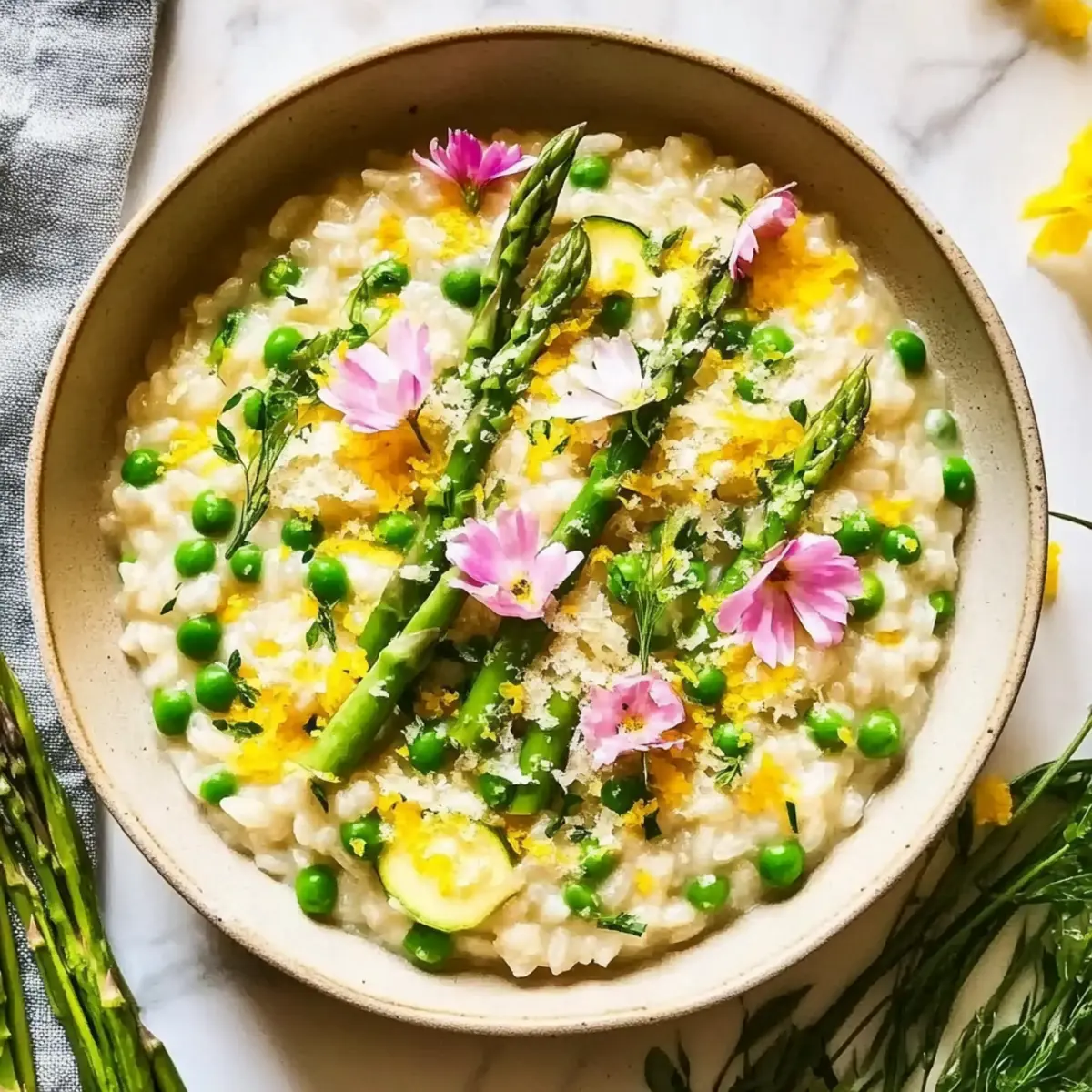
What to Serve with Creamy Spring Vegetable Risotto
The perfect dining experience is the delightful balance of flavors and textures that complements your main dish.
- Grilled Lemon Chicken: Juicy and flavorful, this dish enhances the lemony notes of the risotto while adding a savory protein.
- Arugula Salad: A simple salad tossed with lemon vinaigrette offers a peppery crunch that contrasts beautifully with the creamy risotto.
- Roasted Asparagus: Keeping with the theme, this buttery, slightly charred veggie serves both as a side and another burst of spring flavor.
- Garlic Bread: The crispy, buttery bread creates an inviting texture, perfect for soaking up any remaining creamy sauce left on your plate.
- Pan-Seared Scallops: Tender scallops elevate the meal to a restaurant-level experience, providing a succulent pairing to the risotto’s earthiness.
- Herbed Yogurt Sauce: A cooling dip with mint and yogurt adds freshness that beautifully contrasts the creamy elements of your risotto.
- White Wine Spritzer: A light, refreshing drink complements the dish, enhancing the vibrant seasonal flavors while keeping the mood light.
- Lemon Sorbet: For dessert, this bright and refreshing sorbet cleanses the palate and echoes the zestiness of the risotto.
- Peach Crumble: Sweet, warm, and comforting, this dessert will wrap up your meal with a delightful fruit-forward finale.
- Sparkling Water with Mint: A bubbly refreshment that cleanses the palate and complements the risotto without overpowering the flavors.
Spring Vegetable Risotto Variations
Feel free to play with this recipe and create your own delicious twists on the traditional spring vegetable risotto!
-
Seasonal Swap: Substitute any seasonal spring vegetables such as baby spinach, fava beans, or leeks for a unique twist. Let your local market inspire your choice!
-
Vegan Option: Omit the cheese and use a plant-based cream to create a dreamy vegan risotto that everyone will love. The creamy texture will still shine through beautifully.
-
Spicy Kick: Add crushed red pepper flakes during cooking for a delightful spicy heat that adds another layer of flavor. It’s a wonderful way to awaken your taste buds!
-
Herb-Infused: Mix in fresh herbs like dill or basil towards the end for a pop of flavor and color. This will elevate your risotto while celebrating the essence of spring.
-
Swap the Grains: Try farro or quinoa instead of Arborio rice for a nutritious alternative that will give a nutty flavor and hearty texture. You will be pleasantly surprised!
-
Citrus Variety: Instead of lemon, add lime juice and zest for a bright, tropical twist. This will transform the flavor profile, making it feel like a mini vacation in every bite.
-
Nutty Addition: Toss in toasted pine nuts or walnuts for a crunchy contrast that complements the creamy risotto beautifully, adding depth to each spoonful.
-
Cheese Alternatives: For those who cannot have dairy, consider nutritional yeast as a substitute for Parmesan cheese, giving that cheesy flavor without the creaminess. It’s a fantastic option to keep the umami going!
No matter how you choose to customize your Spring Vegetable Risotto, it’s sure to be a heartwarming dish that fills your table with joy. If you’d like more inspiration, check out our article on vegetable side dishes to pair with your risotto!
Make Ahead Options
These Creamy Spring Vegetable Risotto options are ideal for busy weeknights and meal prep lovers! You can prepare the base of the risotto (steps 1 through 5) up to 24 hours in advance. Simply cook it until the rice is nearly tender, then let it cool before storing in an airtight container in the refrigerator. The vegetables can also be chopped ahead of time—just store them separately. When you’re ready to serve, reheat the risotto gently on the stove over low heat, adding a splash of vegetable broth to restore its creamy texture. Stir in the fresh vegetables and finish with cheese and lemon just before serving for a dish that’s just as delightful as when freshly made!
Expert Tips for Spring Vegetable Risotto
- Stir Often: Frequent stirring prevents the rice from sticking and promotes a creamy texture in your Spring Vegetable Risotto.
- Gradual Broth Addition: Add warm broth slowly; too much at once can prevent the rice from releasing enough starch for creaminess.
- Vegetable Freshness: Always use fresh, seasonal vegetables to enhance flavors; if using frozen, add them later in the cooking process.
- Taste as You Go: Season your risotto gradually with salt and pepper; starting with a light hand ensures you can adjust to your preference.
- Perfect Reheating: Avoid microwaves for reheating. Instead, gently reheat with a splash of broth for the best creamy consistency.
How to Store and Freeze Spring Vegetable Risotto
Fridge: Store leftovers in an airtight container in the refrigerator for up to 3 days. To reheat, add a splash of vegetable broth to restore creaminess.
Freezer: You can freeze Spring Vegetable Risotto for up to 2 months. Portion it into freezer-safe containers, leaving some space for expansion.
Reheating: When ready to eat, thaw overnight in the fridge and reheat on the stove over low heat, adding broth as needed to achieve the desired texture.
Avoid Overheating: Be cautious with microwave reheating, as it can cause the risotto to become gummy; always use broth to bring back its silky quality.
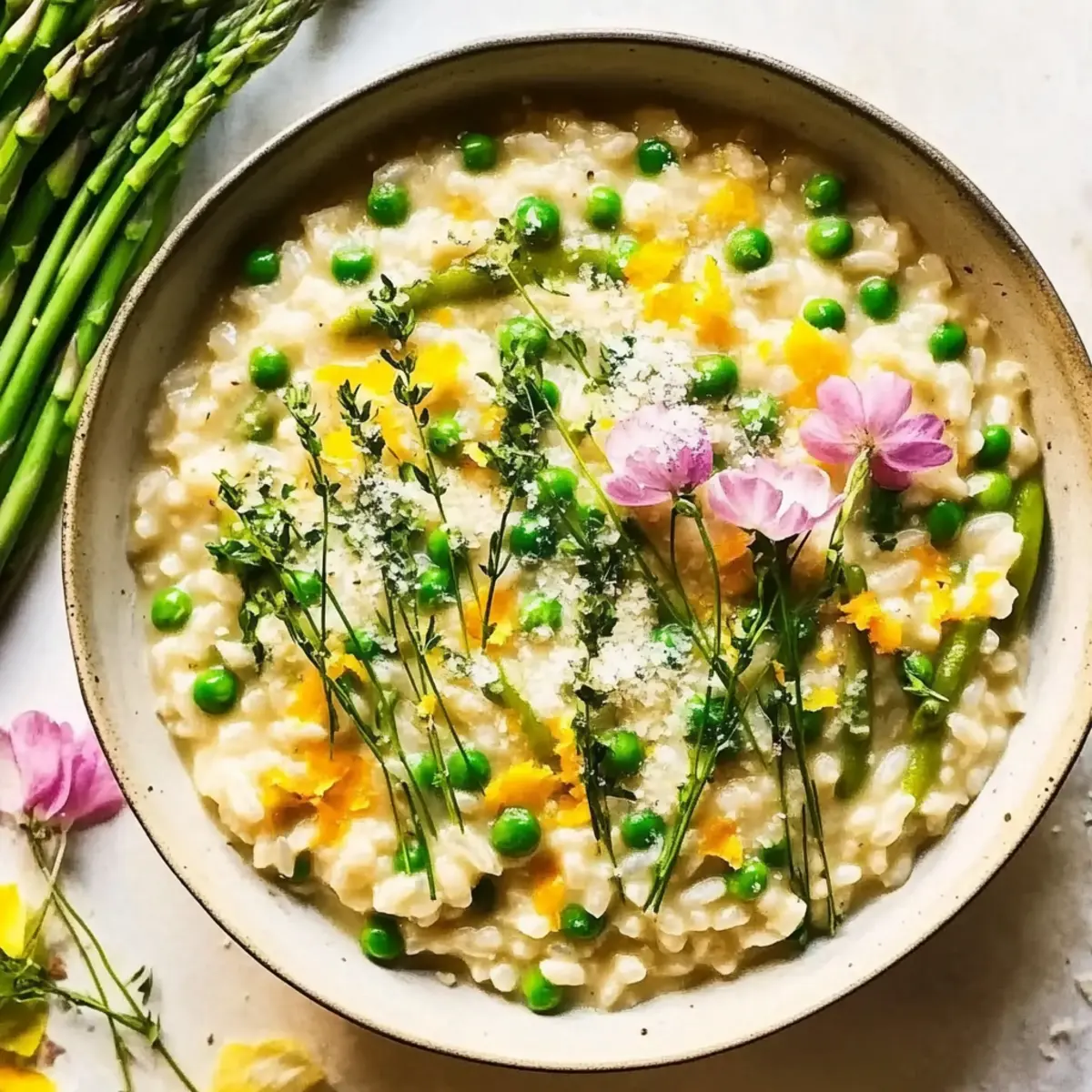
Spring Vegetable Risotto Recipe FAQs
What type of rice should I use for the best risotto?
Absolutely! Arborio rice is the star of this dish due to its high starch content, which creates that signature creamy texture. If you can’t find Arborio, you can try Carnaroli or Vialone Nano, which are also excellent choices. Short-grain rice can work but may change the overall consistency.
How should I store leftover Spring Vegetable Risotto?
Leftovers can be stored in an airtight container in the refrigerator for up to 3 days. When you’re ready to enjoy it again, simply add a splash of vegetable broth while reheating on the stove over low heat to revive its creamy texture.
Can I freeze Spring Vegetable Risotto?
Yes, you can freeze your Spring Vegetable Risotto for up to 2 months. To do this, spoon the risotto into freezer-safe containers, leaving some space for expansion. When you’re ready to eat, thaw it overnight in the fridge, then reheat on the stove with a little broth added to restore its creaminess.
What if my risotto turns out too dry or gummy?
If your risotto is dry, it may need more liquid or may not have been stirred enough while cooking. Add warm broth gradually, stirring to incorporate until you achieve a creamy consistency. If it’s gummy, it may have been overheated while reheating; try adding a bit of broth to loosen it up and improve the texture.
Are there any dietary considerations for Spring Vegetable Risotto?
For those with lactose intolerance or following a vegan diet, you can easily substitute the Parmesan cheese with a plant-based cheese or nutritional yeast for a cheesy flavor without dairy. Always ensure that your vegetable broth is suitable for your dietary needs, particularly regarding sodium levels.

Creamy Spring Vegetable Risotto Bursting with Fresh Flavor
Ingredients
Equipment
Method
- In a large pan, heat 2 tablespoons of olive oil and 1 tablespoon of butter over medium heat until the butter is melted and bubbly, about 2 minutes.
- Add 1 finely chopped onion to the pan and sauté for 3-4 minutes until it turns translucent and soft. Stir in 2 minced garlic cloves, cooking for an additional 30 seconds.
- Add 1 cup of Arborio rice to the pan, stirring constantly for 1-2 minutes until lightly toasted.
- Pour in ½ cup of white wine, stirring frequently until the rice has absorbed most of the liquid, about 2-3 minutes.
- Slowly ladle in 4 cups of warm vegetable broth, stirring continuously for 18-20 minutes.
- At the 15-minute mark, add in 1 cup of chopped asparagus, 1 cup of peas, and 1 cup of diced zucchini, stirring gently.
- Remove the pan from heat and stir in ½ cup of grated Parmesan cheese, the juice and zest of 1 lemon, and season with salt and pepper.
- Spoon the risotto into bowls and garnish with fresh herbs like parsley or basil.
Leave a Reply